TEXT: SUVI-ANNI HUHTINEN
PHOTOS: SUVI-ANNI HUHTINEN
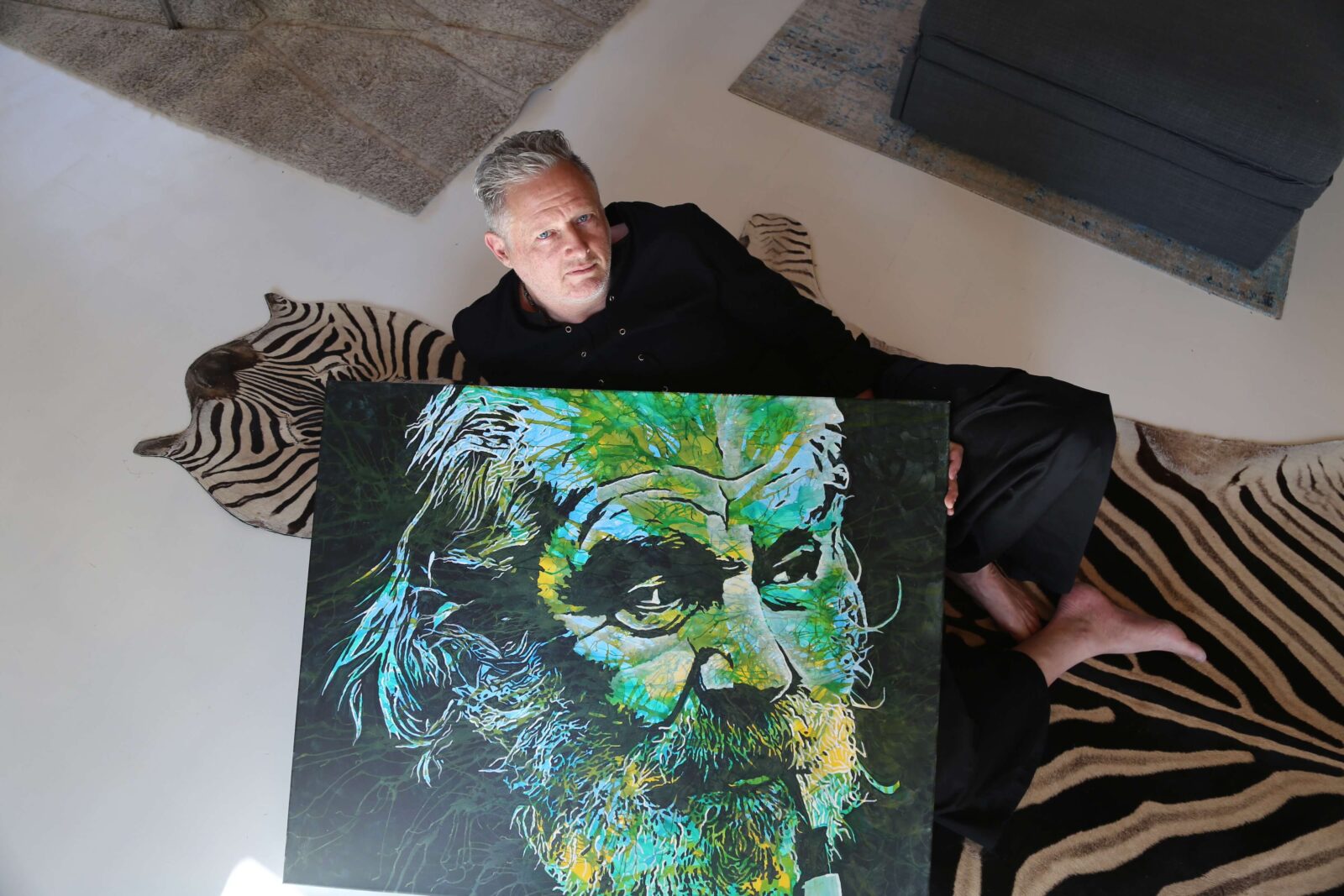
Henri Carrara: Embracing Creativity Through Glass
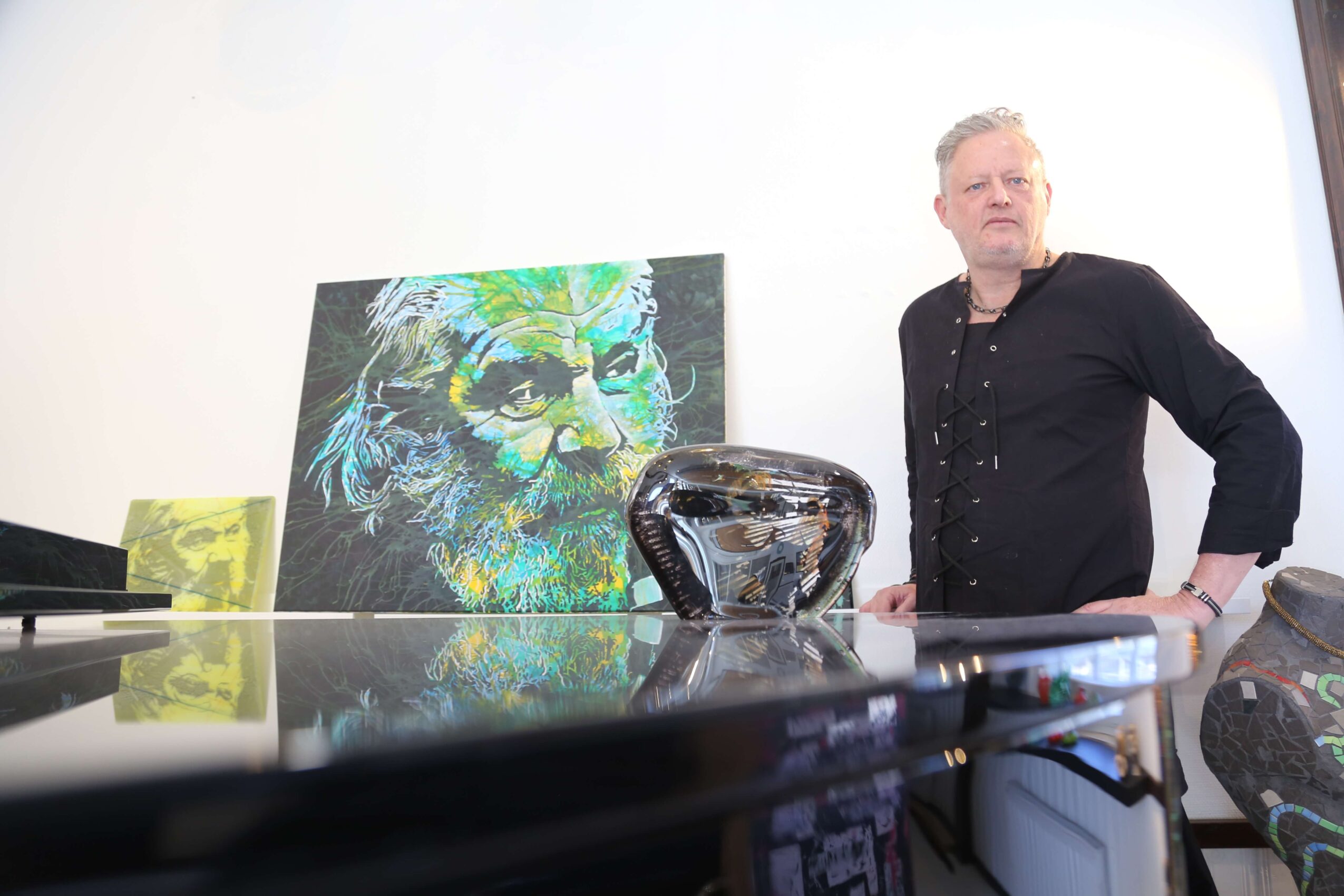
Henri Carrara travelled across continents to learn glassblowing in the birthplace of Finnish glass. With a background in medical research, he approaches glass as both a material and a way of thinking. For him, art is an ongoing exploration of almost everything, especially juxtaposition and the human mind.
CONCERT ON 8.11. | The multidicsiplinary concert ‘Balladi’ by Henri Carraran will take place in Lasimakasiini, in the Nuutajärvi Glass Village, on Father’s Day Sunday 8 November starting at 16:00.
Read more >
A Journey Sparked by Wonder and Perhaps Bravery
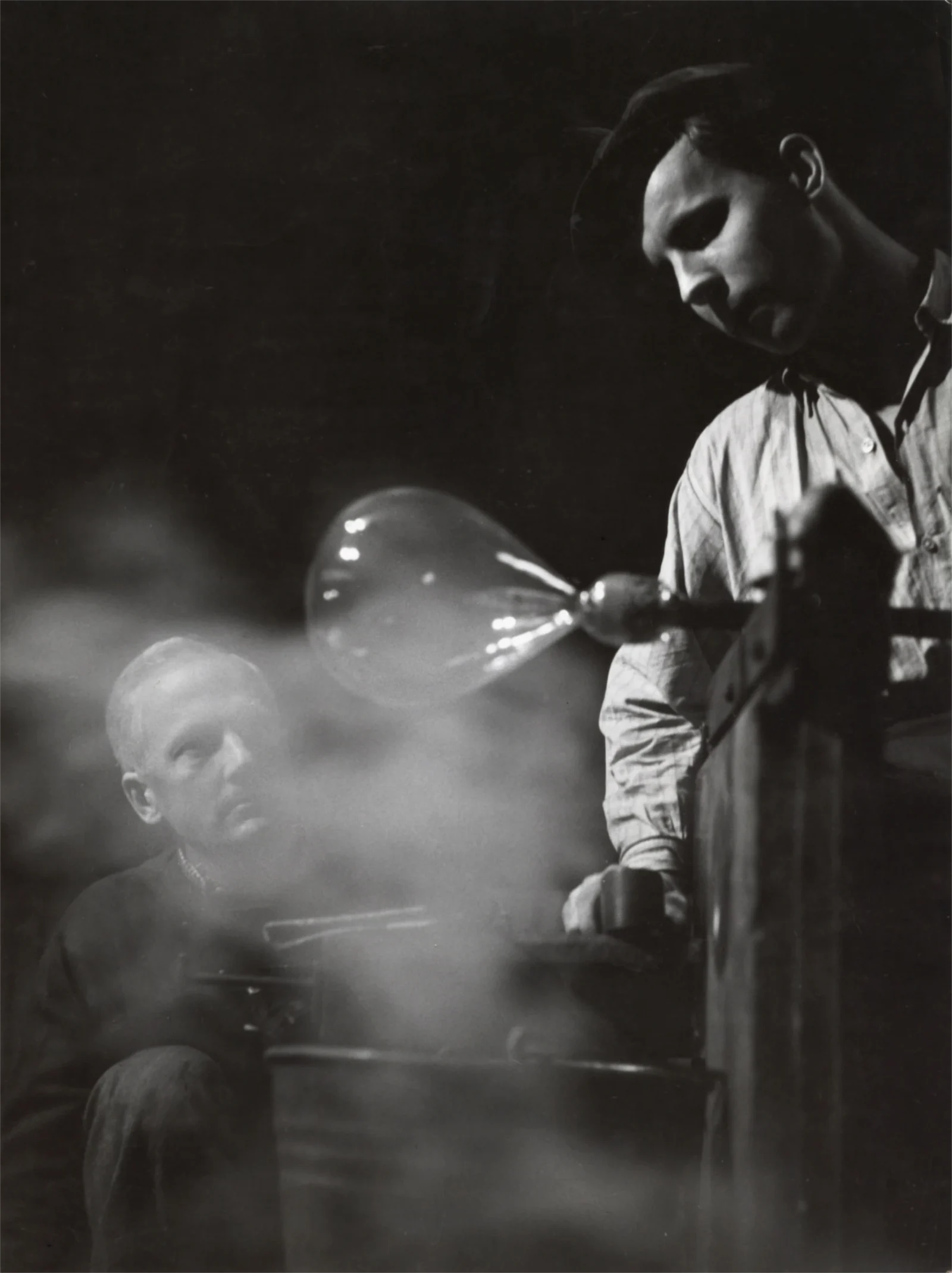
As a young boy, Carrara stood mesmerised in the old glass factory in Nuutajärvi, watching molten glass take shape. He was visiting Finland with his family. That moment left a lasting impression — even as life carried him back to South Africa and toward a distinguished career as a public health specialist, researcher, and academic.
At around fifty, Carrara found himself at a turning point. Professionally and personally things began to shift and he realised he needed to do things that make him happy as life is short.
And so glass entered Carrara’s life, but it was challenging to seriously pursue it without reliable power and with the limited expertise in the country. The strict lockdowns of the global pandemic and its repercussions on the economy and unemployment furthermore made him question a future in South Africa.
When a friend pointed him towards glass education in Finland, the decision came quickly.
“When I was accepted to Nuutajärvi Glass School, I didn’t think twice.”
From Science to Art – the Continuum of Discovery
Returning to Nuutajärvi decades after that first childhood encounter, Carrara does not see his move into glass as a break from his earlier life, but as accumulated experience from disparate experiences. Memories, disciplines and places build on one another, creating contrasts that continue to inform how he thinks and works.
His life between South Africa and the Nordic region has sharpened his awareness of cultural, geographical and conceptual differences.
“Juxtaposition is central to how I think now,” he says. “Placing ideas next to each other and learning from the contrast.”
“For the piece to survive its own creation, the artist needs to understand chemistry and physics.”
– HENRI CARRARA
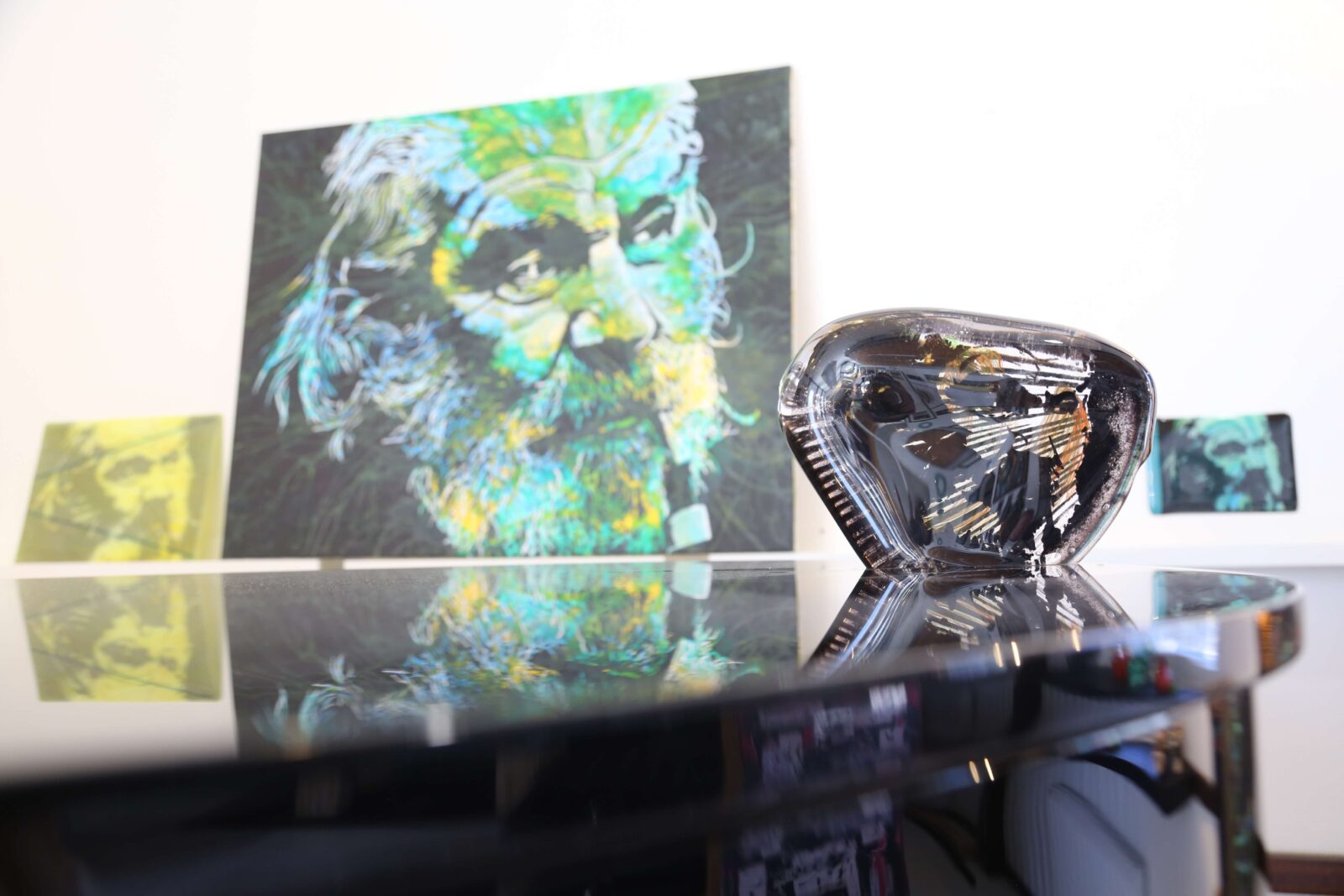
Although moving from medical research to glass might appear like a sharp shift, scientific thinking remains important in his practice. Temperature curves, cooling times, colour reactions and internal stress are fundamental elements of glassmaking.
“You’re turning sand into something transparent,” Carrara says. “You need to understand the chemistry and physics so that the piece survives its own creation.”
He approaches the material with the same attentiveness he once brought to academic research. Processes are carefully documented, experiments repeated, outcomes analysed. This methodical approach, however, is tested in the hotshop, as working with hot glass requires forethought but allows little time for hesitation. For a self-described perfectionist, this requires a conscious willingness to let go and see what happens.
“Glass teaches you to accept uncertainty,” Carrara says. “Sometimes the most interesting pieces are the ones that don’t turn out the way you planned; there is a lot of failure along the way. I continually aim to push the limits of my ability and do not want to simply do what has been done before. I want to experiment in order to try and find something new and exciting.”
Making glass becomes a way of paying attention to the material, to decision-making under pressure, and to the ways knowledge and intuition meet. In this sense, glass functions for Carrara as both medium and method—a way of thinking that continues to reveal new questions about meaning ,the human mind and life in general.
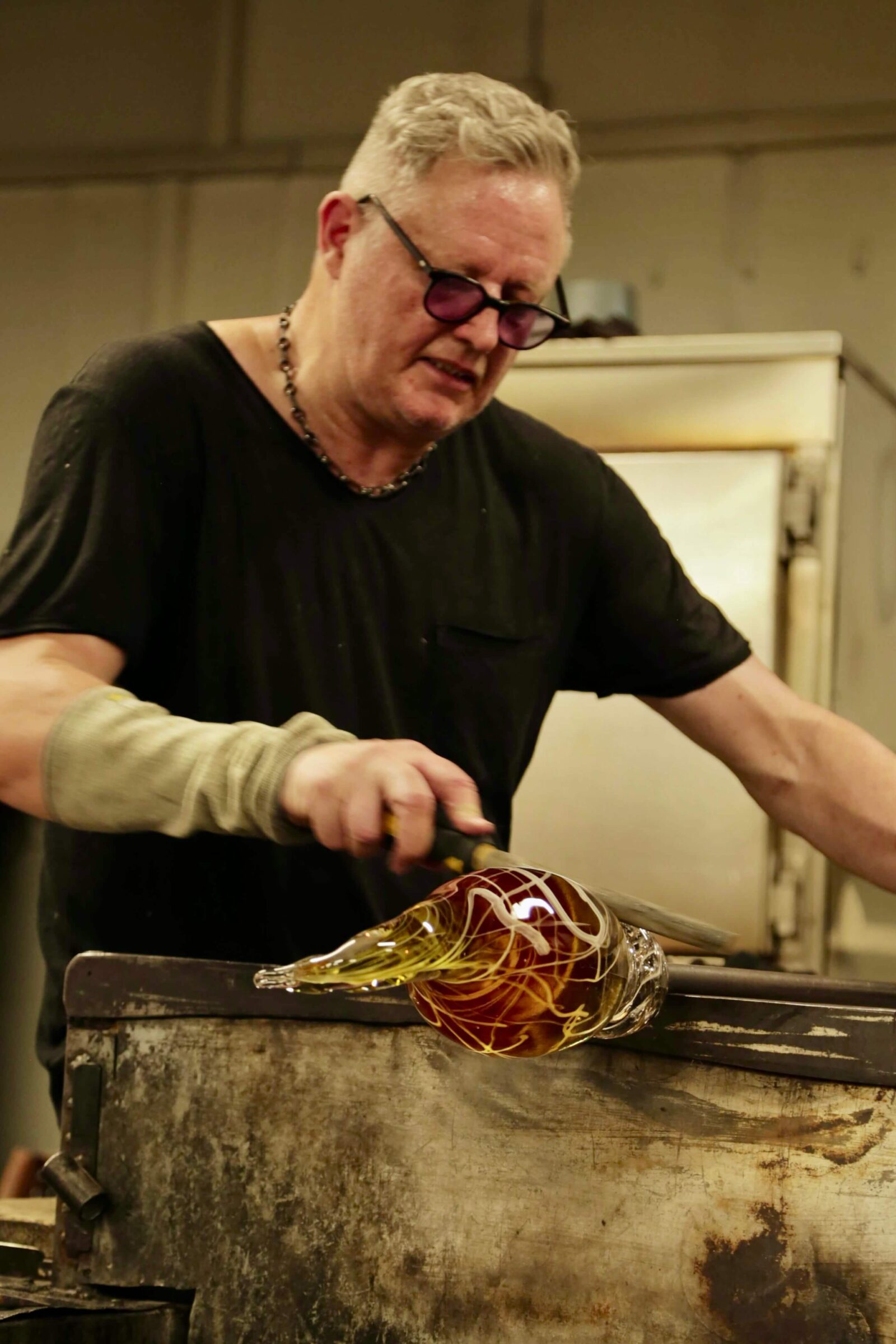
Rhythm, Movement, and Negative Space
Art and design have been present in Carrara’s life for as long as he can remember. Growing up, Finnish glass objects were part of his everyday surroundings, and his mother was a talented amateur artist.
“I remember sitting on my mother’s lap while she painted,” he says. “The smell of oil paint and turpentine is still very vivid to me.”
When Carrara was a young man, art was already vital. Without money to buy works, Carrara made his own or sought out pieces by fellow students and emerging artists. The impulse was less about collecting than about living with art that spoke to him.
Music and movement later added another layer to his creative life.Carrara plays the piano and has practised Latin American and Ballroom dance, all of which shape how he understands rhythm, timing and attention.
“In the hotshop, there is a silent choreography,” he says. “You move with your assistant without necessarily needing to speak, all the while both dancing with heat and gravity.”
The piano has also shaped how Carrara approaches composition in glass, teaching him to value restraint and pauses, and to recognise the importance of what is ”not there”.
“In music it is not only about the notes being played, but the pauses between them that is important. Silence is an essential part of music — just as transparency and its play with negative space and with light is an essential part of glass.”
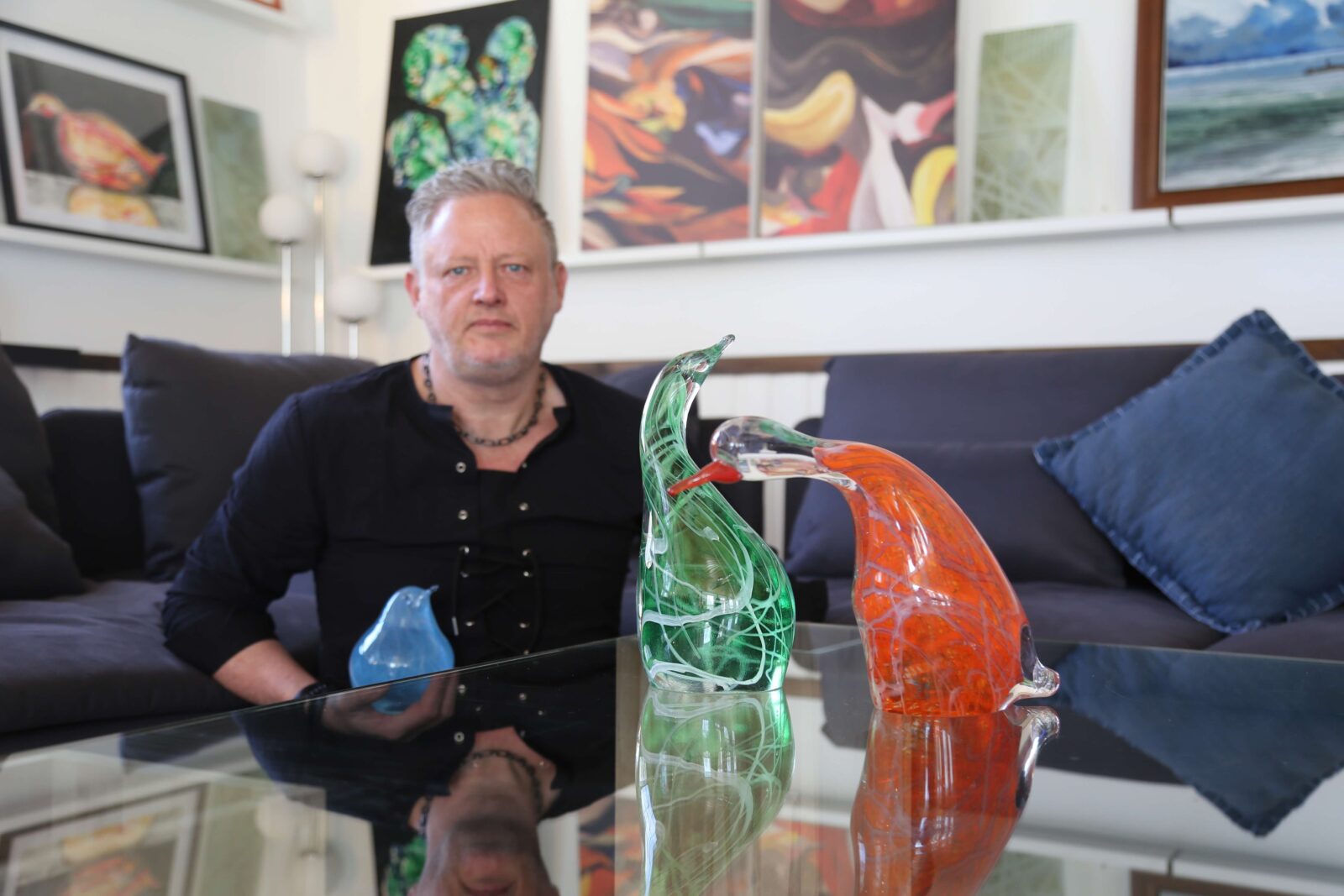
“I don’t really need to nurture my creativity.”
– HENRI CARRARA
Honoring Tradition, Inspiring the Future
For Carrara, one of the most powerful examples of transparency and negative space used with total mastery is the work of Livio Seguso — an Italian glass master who passed away at the end of April at 95, but worked right until the end. Carrara’s respect for glass history runs deep, and he speaks with admiration about many earlier masters.
Working in Nuutajärvi, he feels surrounded by accumulated knowledge. The village represents not only a historical centre of Finnish glass, but an environment where making, learning and teaching continue. Carrara is keenly aware of being part of that continuum.
“The artists working here today are the future history of this place,” he says.
This also carries a sense of responsibility. Carrara is committed to demystifying glass and making the process visible and understandable. From summer 2026 onwards, Carrara will give narrated glassblowing demonstrations in Nuutajärvi’s new hotshop, drawing on his teaching experience honed across years of academic life.
“When you see the work being created,” he says, “the object has a different meaning. Glass is still often seen as craft, and I want to see it fully embraced as a medium of fine art.”